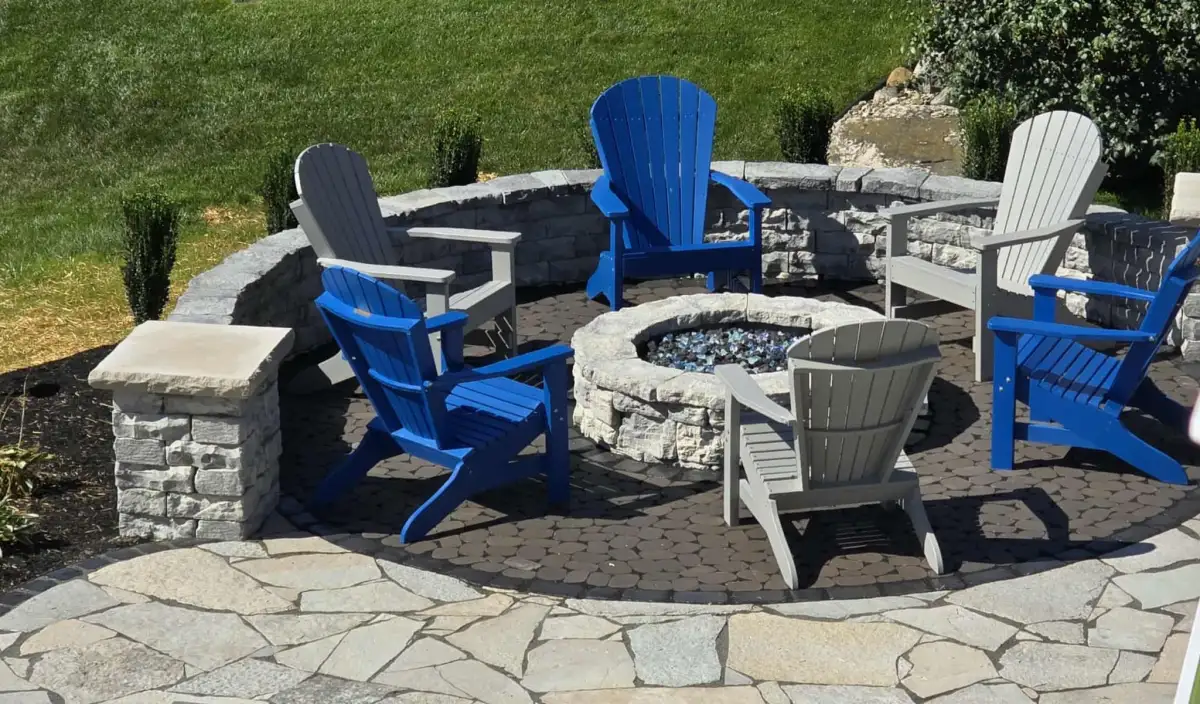
Hardscaping vs Landscaping: What's the Difference?
— By A.J. Kraig Landscape and Design
Here is the simple distinction: Hardscaping refers to the non-living, structural elements of your outdoor space — think patios, retaining walls, walkways, fire pits, and outdoor kitchens built from stone, pavers, concrete, or brick. Landscaping refers to the living, organic elements — lawns, garden beds, trees, shrubs, flowers, mulch, and soil. Together, they form a complete outdoor environment.
If you are a homeowner in Northeast Ohio trying to figure out what your property needs, understanding this distinction helps you plan more effectively, budget more accurately, and communicate clearly with your contractor. This guide breaks down each category, compares them side by side, and explains how they work together — especially in the context of Cleveland-area soil, climate, and property conditions.
What Is Hardscaping?
Hardscaping encompasses every non-living, man-made element in your outdoor space. These are the structural features that define the layout, function, and flow of your yard. Hardscape elements are permanent (or semi-permanent) and require engineering, proper base preparation, and skilled installation — especially in Northeast Ohio where freeze-thaw cycles put enormous stress on outdoor structures.
Common Hardscaping Projects
- Patios — Paver, natural stone, or stamped concrete surfaces for dining, entertaining, and relaxation. The most popular hardscaping project for Cleveland homeowners.
- Retaining walls — Structural walls that hold back soil on sloped properties, prevent erosion, and create usable tiered spaces. Essential for many Northeast Ohio lots.
- Walkways and pathways — Paver or stone paths that connect your driveway, front door, patio, and garden areas with safe, attractive footing.
- Fire pits and fireplaces — Built-in fire features that extend your outdoor season well into Ohio's cool fall evenings.
- Outdoor kitchens — Countertops, built-in grills, sinks, and storage for full outdoor cooking and entertaining.
- Driveways and steps — Paver driveways and stone steps that add curb appeal and durability to your home's entrance.
We partner with Unilock and Oberfields to source high-quality pavers, wall systems, and natural stone products for every hardscaping project.
What Is Landscaping?
Landscaping deals with the living, organic components of your outdoor space. This includes everything from your lawn and garden beds to the trees, shrubs, flowers, and ground covers that give your property color, texture, and seasonal interest. Landscaping also involves the soil, mulch, and amendments that support plant health.
Common Landscaping Projects
- Lawn installation and maintenance — Sod, seed, weekly mowing, fertilization, and aeration to keep your turf healthy and green.
- Garden bed design — Custom planting beds with perennials, annuals, ornamental grasses, and ground covers selected for Northeast Ohio's growing zone (6a).
- Trees and shrubs — Shade trees, ornamental trees, evergreen screening, and foundation plantings that add structure, privacy, and year-round visual interest.
- Seasonal color rotations — Spring bulbs, summer annuals, and fall mums to keep your property looking fresh throughout the growing season.
- Mulching — Fresh mulch for weed suppression, moisture retention, and a polished appearance in all garden beds.
- Grading and drainage — Adjusting soil contours and installing drainage solutions to manage water flow and protect your home's foundation.
Hardscaping vs Landscaping: Side-by-Side Comparison
| Category | Hardscaping | Landscaping |
|---|---|---|
| Materials | Stone, pavers, concrete, brick, natural rock | Plants, soil, mulch, sod, seed, organic matter |
| Lifespan | 20-30+ years with proper installation | Varies by plant; ongoing maintenance required |
| Maintenance | Low — occasional sealing, joint sand refill | Ongoing — mowing, pruning, mulching, watering |
| Typical Cost | $5,000 - $50,000+ | $500 - $15,000+ |
| Installation Time | 1-4 weeks depending on scope | 1-5 days for most projects |
| Seasonal Impact | Year-round structure; unaffected by seasons | Changes with seasons; dormant in winter |
| Function | Creates usable space, retains soil, directs traffic | Provides color, shade, privacy, erosion control |
| Ohio Challenge | Freeze-thaw cycles; requires deep base prep | Clay soil; drainage; winter die-back |
Why Most Projects Need Both
The best outdoor spaces combine hardscaping and landscaping in a deliberate, balanced design. A patio without surrounding plantings feels cold and uninviting. A garden without pathways or edges feels unfinished and hard to maintain. When both elements work together, you get an outdoor living space that is functional, beautiful, and adds real value to your home.
Here is how they complement each other in practice:
- Patios + plantings — A paver patio surrounded by ornamental grasses, perennials, and a shade tree creates an inviting outdoor room.
- Retaining walls + garden beds — A structural wall solves a grading problem while the tiered beds above it provide space for beautiful plantings.
- Walkways + lawn — A stone pathway through a well-maintained lawn directs foot traffic and prevents worn-down grass paths.
- Fire pit + screening — An outdoor fire feature with evergreen privacy screening creates a cozy, enclosed gathering area.
A good landscape designer plans both elements together from the start, ensuring proper drainage, proportional scale, and cohesive aesthetics across your entire property.
Northeast Ohio Considerations
Living in the Cleveland area means your outdoor project needs to account for conditions that homeowners in milder climates never think about:
Freeze-Thaw Cycles
Northeast Ohio typically experiences 80 to 100 freeze-thaw cycles per winter. Each cycle causes the ground to expand and contract, which can heave improperly installed pavers, crack concrete, and shift retaining walls. For hardscaping, this means a deep aggregate base (6 to 8 inches minimum) is non-negotiable. For landscaping, it means selecting plants rated for USDA Zone 6a or colder and mulching adequately to protect root systems.
Clay Soil
Cuyahoga County's heavy clay soil holds water, compacts easily, and resists root penetration. For hardscaping projects, poor drainage through clay means you need a thicker base layer and proper gravel drainage channels beneath paver installations. For landscaping projects, soil amendment with compost and organic matter is almost always necessary to give new plantings a fighting chance.
Drainage
Between the clay soil and Cleveland's average of 39 inches of annual rainfall, managing water is a critical factor in every outdoor project. Hardscaping can direct water flow through grading, channel drains, and permeable paver systems. Landscaping can absorb and manage water through rain gardens, grading, French drains, and strategic planting of water-tolerant species. Most comprehensive projects need both approaches working together.
Cost Comparison Overview
Hardscaping generally involves a higher upfront investment but lower long-term maintenance costs. A properly built paver patio will last 20 to 30 years with minimal upkeep — occasional polymeric sand refill and a cleaning every year or two. Landscaping typically costs less to install but requires ongoing investment through regular maintenance, seasonal plantings, mulch replacement, and occasional plant replacement.
For a typical Cleveland-area home, here is a rough comparison:
- Hardscaping project (patio + walkway): $8,000 - $20,000 upfront, $200 - $500 per year in maintenance
- Landscaping project (plantings + beds + lawn): $2,000 - $8,000 upfront, $2,000 - $5,000 per year in maintenance
- Combined project (full outdoor renovation): $10,000 - $50,000+ upfront with both maintenance categories
For a detailed cost breakdown specific to the Cleveland market, read our companion article: How Much Does Landscaping Cost in Cleveland, Ohio?
How to Decide What Your Property Needs
Start by asking yourself these questions:
- How do you want to use your outdoor space? If you want to entertain, cook, or gather around a fire, hardscaping creates the structure for that. If you want a serene, green retreat with seasonal color, landscaping is the priority.
- Do you have a drainage or grading problem? If water pools on your property or runs toward your foundation, you likely need both hardscaping (retaining walls, grading) and landscaping (drainage beds, water-tolerant plants) to solve it.
- What is your maintenance tolerance? If you prefer low-maintenance outdoor spaces, a higher ratio of hardscaping to softscaping reduces your ongoing care requirements. If you enjoy gardening and seasonal changes, lean heavier into plantings.
- What is your budget timeline? If funds are limited now, start with landscaping improvements that have immediate visual impact (mulch, plantings, lawn care), then add hardscaping features in a later phase when budget allows.
The best approach is to have a professional walk your property, understand your goals, and propose a plan that balances hardscaping and landscaping within your budget. At A.J. Kraig Landscape and Design, we provide free on-site consultations and always present options at multiple investment levels so you can make the right decision for your property and your family.