Landscape Design Cost Follows the Decisions the Plan Must Make
- By A.J. Kraig Landscape and Design
There is no single landscape design price that fits every Northeast Ohio yard. A concept for one front bed is not the same assignment as a full-property plan coordinating a patio, walls, drainage, lighting, irrigation, turf, and phased planting. The cost depends on the area being planned, the detail you need, the existing site, and how much installation coordination belongs in the design.
That distinction matters when you compare proposals. The lowest design fee may cover a smaller scope, fewer revisions, or less documentation. A higher fee may include the decisions needed to price and build several connected features. Start by defining the deliverable, then compare the number.
What Are You Paying for in a Landscape Design?
A design turns your priorities and the conditions in your yard into an organized plan. Depending on the project, that work may include a site review, measurements, a concept layout, planting selections, hardscape placement, grading or drainage coordination, material choices, lighting or irrigation considerations, and revisions.
The important word is may. A sketch, a planting plan, and a construction-ready package are different products. Before agreeing to a fee, ask what you will receive and what decisions the document is intended to support.
Six Factors That Shape Landscape Design Cost
1. The size and number of areas being planned
A focused front-entry refresh usually requires fewer decisions than a plan for the front, side, and back yards together. The cost can also change when separate areas must connect through walks, grades, views, or a consistent planting and material palette.
2. Concept planning versus detailed documentation
A concept can establish the overall layout. More detailed plans may identify plant quantities, material selections, dimensions, elevations, construction details, lighting locations, or irrigation zones. Ask which level is needed to produce a useful installation proposal for your project.
3. Grade, drainage, soil, sun, and existing conditions
A level, open area with clear access presents a different design problem from a wooded slope, a wet low point, or a yard with mature plants and hardscape that should remain. Across North Royalton and Northeast Ohio, a useful plan should respond to drainage paths, grade changes, sun and shade, soil, access, and winter conditions rather than treat the yard like an empty page.
4. Hardscape and outdoor-living coordination
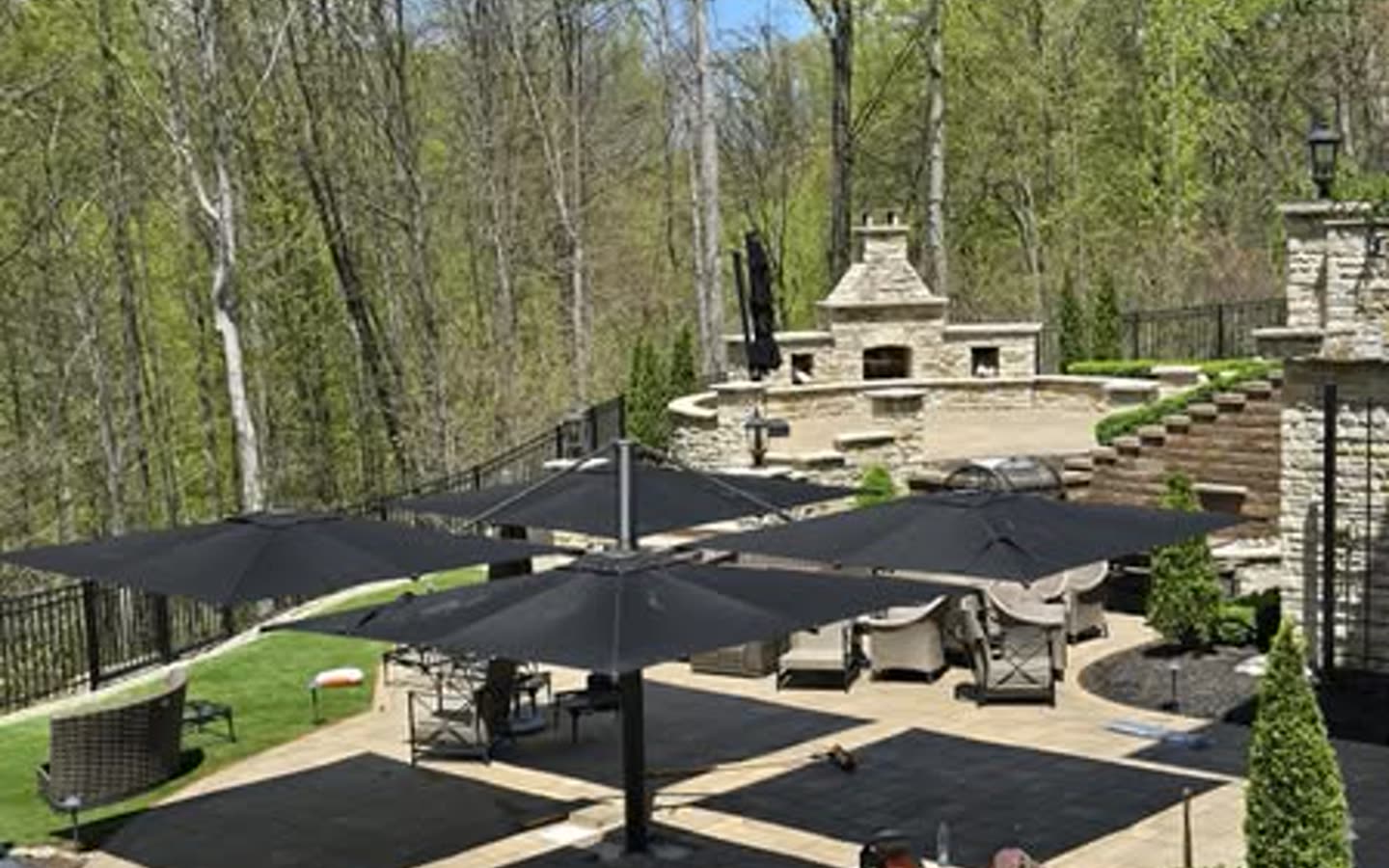
Patios, walkways, steps, retaining walls, fire features, and outdoor kitchens add relationships that must be resolved: finished elevations, circulation, furniture clearances, material transitions, utilities, drainage, and how planting softens the built areas. A planting-only plan is usually less involved than a complete outdoor living space.
5. Material and plant-selection detail
Selecting exact pavers, stone finishes, plant varieties, quantities, and sizes takes more design time than choosing an overall look. Written selections also help you compare installation quotes for the same materials and planting scope.
6. Revisions, meetings, and project phasing
Clarifying priorities early helps control redesign. If you want to compare several layouts or divide the work into phases, make sure the proposal explains how many concepts, meetings, and revision rounds are included. A phased plan should also protect space for future work so the first phase does not have to be undone later.
Questions to Ask Before Comparing Design Fees
- Which parts of the yard are included, and what site information will be reviewed?
- Will I receive a concept, a planting plan, a hardscape layout, or a more detailed package?
- Are material and plant selections included, and how specific will they be?
- How many meetings, concepts, and revision rounds are part of the fee?
- Does the scope address drainage, grade, access, lighting, irrigation, or future phases where relevant?
- How will the design be used to develop the installation proposal?
Design Cost and Installation Cost Are Different
The design budget pays for analysis, decisions, and documentation. The installation budget covers the work required to build the plan: demolition, site preparation, equipment, labor, materials, planting, construction, cleanup, and restoration. A modest design can still lead to a large installation if it includes substantial hardscape or site work. A detailed plan can also support a smaller first phase.
Ask for the relationship between those two costs to be stated clearly. Do not assume a design fee is included in installation, credited later, or priced separately unless the proposal says so.
How Much Should You Budget for Landscape Design?
Instead of choosing an arbitrary number first, choose the planning level your project needs:
- One focused area: define the bed, entry, screening, or small gathering area and the selections needed to install it.
- Several connected areas: plan circulation, views, planting character, drainage, and material transitions together.
- A full-property or phased project: establish the long-term layout and construction order before committing to the first installation.
Then give the designer a realistic overall project range and identify your non-negotiables. Budget is not just a constraint; it helps determine whether the plan should prioritize one finished area, simplify materials, or organize the work into sensible phases.
Low-Maintenance Choices Still Have Cost Tradeoffs
Lower maintenance does not mean no maintenance. A simpler planting palette, appropriately spaced plants, defined bed edges, irrigation where useful, and durable material transitions can reduce recurring effort, but each choice affects the initial scope and long-term care differently. Synthetic turf may reduce mowing in one area, while a smaller lawn with well-planned beds may solve a different problem.
Tell the designer what you are willing to do after installation: watering, pruning, seasonal cleanup, mulch renewal, or professional care. That answer should influence plant selection, bed size, lawn area, and irrigation planning before the budget is finalized.
Local Site Conditions Belong in the Budget Conversation
North Royalton and other Northeast Ohio properties can include clay soil, grade changes, wooded edges, drainage constraints, and freeze-thaw exposure. Those conditions do not create one automatic surcharge, but they can change what the design must resolve and what the installation will require. It is more useful to identify them early than to rely on a price that assumes an uncomplicated site.
Learn more about A.J. Kraig’s landscape design services, explore landscaping guidance for North Royalton properties, or review the broader Northeast Ohio service area. When you are ready for a scope based on your yard and priorities, request a landscape estimate.
FAQ: Landscape Design Cost
How much should I budget for landscape design?
Build the budget around the area being planned, the level of drawing and selection detail you need, the site conditions that must be solved, and whether the project includes planting only or coordinated hardscape, lighting, irrigation, drainage, and future phases. A property review and written scope are more reliable than a generic online average.
Is landscape design cost separate from installation cost?
They are different parts of the project. Design covers analysis and planning; installation covers materials, site preparation, labor, equipment, construction, planting, and restoration. Ask the contractor to state clearly how design services and installation pricing are handled in the proposal.
Why do landscape design quotes vary so much?
One quote may cover a single concept for a limited area, while another includes measurements, planting plans, hardscape layouts, material selections, drainage coordination, lighting or irrigation planning, revisions, and construction details. Compare deliverables and exclusions before comparing totals.
Should I compare landscape design by the hour?
An hourly rate does not show how many hours the work requires or what the final deliverables include. Compare the defined area, plan detail, site review, meetings, revisions, selections, and installation coordination so you can judge the complete value.
Can a landscape project be designed in phases?
Yes. A coordinated plan can identify what should happen first and reserve room for later patios, walls, beds, lighting, irrigation, or turf. Phasing is most useful when grades, drainage, access, and utility routes are considered before the first installation begins.