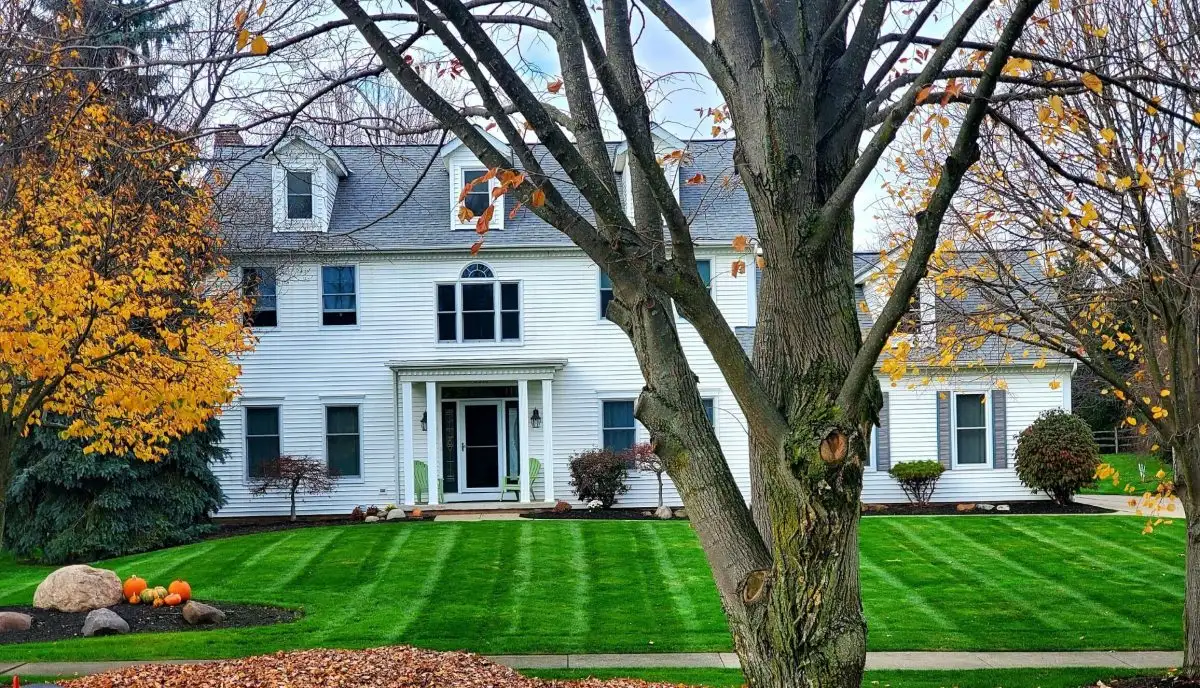
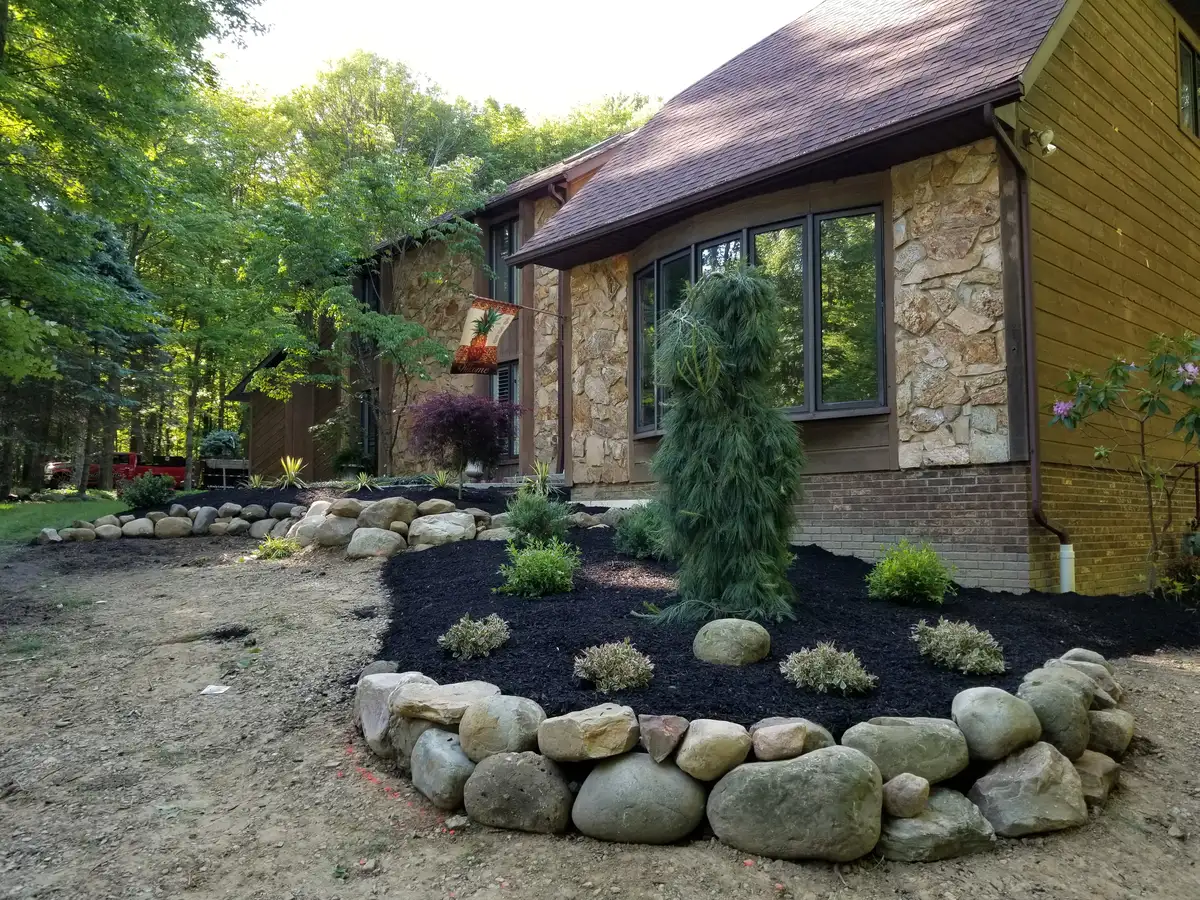
Know What the Plan and Proposal Need to Answer
- By A.J. Kraig Landscape and Design
A strong landscape design should connect the way you want to use the property with the conditions already present on the site. Before booking, North Royalton homeowners should be able to understand what will be evaluated, which areas and features are included, how the work may be sequenced, and what the finished landscape will require over time.
A.J. Kraig Landscape and Design offers landscape design that can coordinate planting, patios, walkways, retaining walls, drainage, irrigation, turf, and outdoor living areas. Use the questions below to compare the proposed scope—not just a rendering, plant list, or hourly number.
1. What will be evaluated before the layout is finalized?
Ask how the design will account for grade, drainage paths, downspouts, sun and shade, mature roots, utilities, access, and existing features that need to remain. These conditions affect where hardscaping can sit, which plants fit a location, how equipment can reach the work area, and what needs to happen first.
Water movement deserves particular attention. North Royalton maintains a Stormwater Division and local storm-water management guidance, so drainage should be considered early rather than treated as a finishing detail. For a deeper look, read the local guide to landscape drainage and grading.
2. Does the scope connect the whole property or only one feature?
A patio, retaining wall, planting bed, or lawn area affects what can happen around it. Ask how the proposal addresses walking routes, views from the house, door locations, furniture space, water flow, lighting, irrigation, and future additions. Even when only one area will be installed now, a broader plan can prevent finished work from blocking the next phase.
If the project includes a gathering area, compare the layout with the way you expect to cook, sit, entertain, and move through the yard. A.J. Kraig’s outdoor living services show how patios, fire features, seating, kitchens, walls, lighting, and planting can work as one space.
3. What exactly is included in the estimate?
Ask for enough detail to understand the areas included, preparation work, materials or allowances, installation, cleanup, and exclusions. If selections are still open, find out which decisions can change the price. Also ask how revisions or site conditions discovered during construction would be discussed and approved.
An hourly rate by itself cannot show whether one proposal offers better value than another. Design time, crew size, equipment, materials, access, and complexity all affect cost. Compare complete scopes and responsibilities instead of treating one labor number as the whole estimate.
4. What needs to happen first, and can installation be phased?
Drainage, grading, retaining work, underground utilities, primary hardscaping, irrigation, and planting are not interchangeable steps. Ask which work establishes elevations and access for everything that follows. If the project will span more than one season, the plan should identify logical stopping points and protect finished areas from avoidable disturbance.
Homeowners working in stages can use the guide to phasing a North Royalton landscape project to organize immediate needs and later upgrades.
5. How will the design look and function as plants mature?
New planting can look intentionally open because shrubs and trees need room to reach mature size. Ask about spacing, seasonal interest, sight lines, shade, and how roots or canopies may affect nearby walks, walls, windows, and utilities. Repeated groups can create rhythm—the familiar “rule of three”—but no visual formula should override mature size or site conditions.
Lists of design principles vary, though unity, balance, proportion, emphasis, sequence, rhythm, and variety are common. The useful question is how those principles support the property: a clear entry, comfortable scale, safer circulation, useful views, and a landscape that feels connected instead of assembled one feature at a time.
6. What maintenance will the finished landscape require?
Ask about watering during establishment, irrigation adjustments, pruning, mulching, edging, seasonal cleanup, joint or surface care, and winter conditions. A beautiful plan can still be the wrong plan if its weekly and seasonal needs do not match the homeowner’s routine.
Be direct about how much maintenance you want to take on. The article on lower-maintenance landscape design in North Royalton explains how plant variety, bed shape, mature spacing, irrigation, and lawn or turf choices affect recurring care.
Before You Approve the Scope
- Confirm which areas, features, preparation, and cleanup are included
- Ask how drainage, grade, access, utilities, and existing plants affect the plan
- Separate fixed selections from allowances or decisions still to be made
- Understand the construction order and any sensible future phases
- Review mature plant size and the maintenance each area will need
- Know how changes or unexpected site conditions will be communicated
For homeowners planning landscaping in North Royalton, Ohio, these questions make it easier to evaluate whether the design, estimate, and long-term care expectations fit the property. To discuss your goals with A.J. Kraig, request a landscape design estimate through the contact page or call (216) 287-2844.
FAQ: Landscape Design Before Booking
What should a landscape design proposal explain?
It should make the project scope understandable: the areas included, important site preparation, proposed features and materials, allowances or selections still to be made, exclusions, sequencing, and how changes will be handled.
Is $100 an hour too much for landscape work?
An hourly number alone does not show whether a proposal is a good value. Design time, crew size, equipment, materials, site access, and project complexity all affect cost. Compare the complete scope, allowances, exclusions, and change process instead of judging one rate in isolation.
What are common mistakes in landscaping projects?
Common mistakes include choosing disconnected features before studying the whole property, overlooking drainage and grade, placing plants without considering mature size and sunlight, making access too narrow, and selecting a layout that requires more maintenance than the homeowner wants.
What is the rule of three in landscaping?
The rule of three is a visual guideline that uses repeated groups or an odd number of plants and elements to create rhythm and cohesion. It is not a rule for every property; function, mature plant size, drainage, sight lines, and maintenance still come first.
What are the seven principles of landscape design?
Lists vary, but common landscape design principles include unity, balance, proportion, emphasis, sequence, rhythm, and variety. They help organize a design, while site conditions and the way the homeowner will use the space determine how those principles are applied.