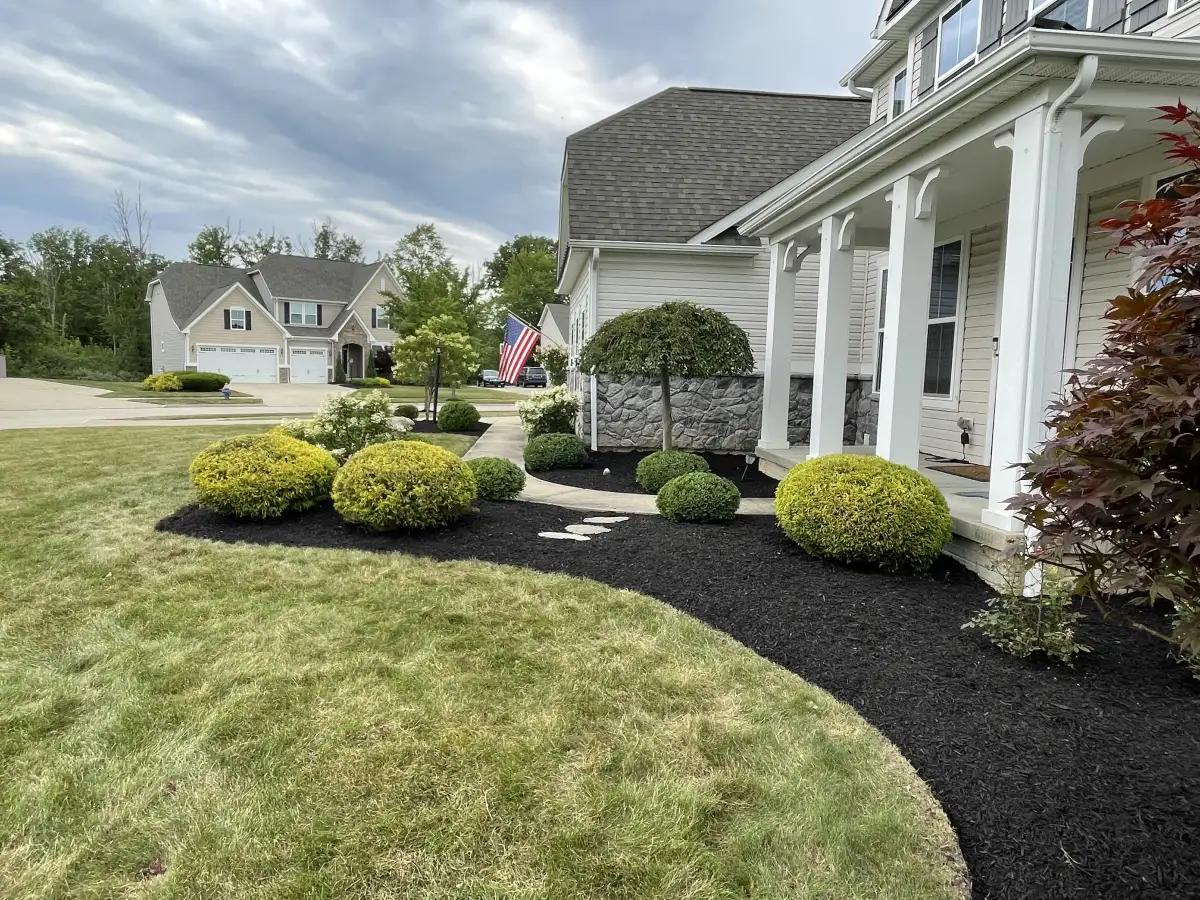
Spring Lawn Care Checklist for Northeast Ohio
— By A.J. Kraig Landscape and Design
The short answer: Start your spring lawn care in Northeast Ohio when daytime temperatures consistently reach 50 to 55 degrees Fahrenheit and the ground is no longer saturated from snowmelt — typically mid-April through early May in the Cleveland area. That means right now is the window. Below is a step-by-step checklist that covers everything from clearing winter debris through your first mow, so your lawn comes back stronger and greener this season.
Northeast Ohio winters are hard on turf. Between the heavy snow loads, salt spray from road treatments, freeze-thaw cycling across Cuyahoga and Summit counties, and the compacted clay soil that stays waterlogged well into spring, most lawns need deliberate attention before they can recover. Skipping these steps — or doing them in the wrong order — is one of the most common reasons lawns in North Royalton, Brecksville, and Strongsville look patchy and thin through June.
Here is the complete checklist, in the order you should tackle each task.
Step 1: Clean Up Winter Debris
Before you do anything to the lawn itself, clear everything off it. Winter leaves that matted down under snow, fallen branches, leftover salt or sand from driveways and walkways, and any debris blown onto the property during winter storms all need to go. Matted leaves left on the turf will smother the grass and create conditions for snow mold — a fungal disease that produces circular gray or pink patches across the lawn.
Walk the entire property and remove debris by hand or with a leaf blower on a low setting. Avoid using a heavy metal rake at this stage; the turf crowns are still tender and easily damaged when the soil is soft.
Step 2: Assess Winter Damage
Once the lawn is clear, take a careful look at its condition. Common types of winter damage on Northeast Ohio lawns include:
- Snow mold — Gray or pinkish circular patches where matted grass was under prolonged snow cover. Typically resolves on its own once the area dries out, but gently rake the matted areas to improve airflow.
- Salt damage — Brown, crispy grass along driveways, sidewalks, and curb lines caused by road salt and deicing chemicals. Water these areas thoroughly once the ground thaws to flush the salt through the soil profile.
- Crown damage — Bare or thin spots where ice formed directly on the soil surface, killing grass plants at the crown. These areas will need overseeding.
- Vole damage — Narrow, winding tunnels of dead grass just beneath the surface. Voles create runway systems under snow cover. Rake out the dead grass and reseed these trails.
- Compaction — Heavy, clay-rich soil across much of Cuyahoga County compacts under the weight of snow and frozen ground. Compacted soil prevents water, air, and nutrients from reaching grass roots.
Make a mental note of areas that need extra attention. You will address specific damage types as you work through the remaining steps.
Step 3: Rake and Dethatch
Light raking serves two purposes in spring: it lifts matted grass blades so they can receive sunlight and air, and it removes the thin layer of thatch (dead organic matter) that accumulates between the grass and soil surface. A small amount of thatch (under half an inch) is normal and even beneficial. Anything over half an inch blocks water infiltration and encourages disease.
Use a spring-tine rake or a power dethatcher for larger lawns. In Northeast Ohio, cool-season grasses like Kentucky bluegrass, perennial ryegrass, and tall fescue are standard. These grasses respond well to light dethatching in spring as long as the soil is firm enough to walk on without leaving deep footprints.
If the soil is still saturated, wait. Working on wet soil causes more compaction, which defeats the purpose entirely.
Step 4: Core Aeration
Core aeration is arguably the single most beneficial thing you can do for a Northeast Ohio lawn in spring. The process uses a machine to pull small plugs of soil from the ground, creating channels that allow water, oxygen, and nutrients to penetrate the root zone.
This is especially critical on properties in North Royalton, Broadview Heights, Hudson, and other communities built on Cuyahoga County's notorious clay subsoil. Clay compacts so tightly over winter that grass roots essentially suffocate. A single pass with a core aerator breaks that compaction layer and gives the turf room to breathe and establish deeper roots as temperatures warm.
The ideal time to aerate in our region is mid-April through mid-May, when soil temperatures are between 50 and 65 degrees. Aerate before you fertilize — the channels created by aeration allow fertilizer to reach the root zone instead of sitting on the surface.
Step 5: Overseed Bare and Thin Spots
Once the lawn is aerated, any bare or thin areas are primed for overseeding. The aeration holes provide perfect seed-to-soil contact, which dramatically improves germination rates compared to broadcasting seed over hard, compacted ground.
For Northeast Ohio lawns in USDA Zone 6a, the best seed blends for spring overseeding are:
- Tall fescue blends — Deep-rooted and drought-tolerant once established. Excellent for the clay soil conditions found across most of the Cleveland metro.
- Kentucky bluegrass / perennial ryegrass mix — Bluegrass fills in through rhizomes (underground runners) for a dense, self-repairing lawn. Ryegrass germinates fast (5 to 10 days) and provides quick green coverage while the slower bluegrass establishes.
- Fine fescue (for shade) — If you have areas under mature trees, fine fescue varieties like creeping red fescue handle shade far better than bluegrass or ryegrass.
Keep newly seeded areas consistently moist for the first two to three weeks. This is where having a properly functioning irrigation system makes a significant difference — hand watering multiple times a day across large areas is not realistic for most homeowners.
Step 6: Apply Spring Fertilizer
Timing your first fertilizer application correctly matters more than the brand you choose. In Northeast Ohio, the right time is when soil temperatures reach 55 degrees at a 4-inch depth — typically late April through the first two weeks of May. Apply too early and the fertilizer sits unused on cold soil. Apply too late and you are pushing top growth during heat stress.
A balanced slow-release fertilizer with a ratio around 20-5-10 (nitrogen-phosphorus-potassium) is a solid starting point for most Cleveland-area lawns. The nitrogen promotes green growth, the phosphorus supports root development (especially important for overseeded areas), and the potassium strengthens the plant against disease and drought stress through summer.
If you aerated first, the fertilizer granules will fall into the aeration holes and deliver nutrients directly to the root zone — another reason the order of this checklist matters.
Step 7: Apply Pre-Emergent Weed Control
Pre-emergent herbicide prevents crabgrass, foxtail, and other annual weeds from germinating. In Northeast Ohio, the application window is when soil temperatures hit 55 degrees for three to five consecutive days — roughly the same timing as your first fertilizer application. Many lawn care products combine slow-release fertilizer with pre-emergent in one granular application, which simplifies the process.
One critical note: if you overseeded bare spots in Step 5, do not apply pre-emergent to those areas. Pre-emergent herbicide prevents all seeds from germinating, including grass seed. Either skip those sections or use a starter fertilizer without pre-emergent on the overseeded patches and apply pre-emergent only to established turf.
Step 8: Start Mowing — at the Right Height
Your first mow of the season should happen when the grass reaches 3.5 to 4 inches in height. For most cool-season lawns in the Cleveland area, that falls between late April and mid-May depending on the specific microclimate of your property. Properties in low-lying areas of North Royalton and Broadview Heights may stay wet longer and green up later than hilltop properties in Hudson or Brecksville.
Set your mower blade to 3 to 3.5 inches and never cut more than one-third of the blade height at a time. Cutting too short ("scalping") stresses the grass and exposes bare soil to weed seeds and sunlight. Taller grass shades the soil, retains moisture, and crowds out weeds naturally.
Sharpen your mower blades before the first cut. Dull blades tear the grass rather than cutting it cleanly, leaving ragged tips that turn brown and invite disease. A freshly sharpened blade makes a visible difference in lawn appearance from the very first mow.
Step 9: Refresh Mulch Beds and Edge Borders
While technically not lawn care, refreshing your mulch beds in spring directly affects your lawn's health and appearance. Crisp bed edges prevent grass from creeping into garden areas and create a clean visual line that makes the entire property look well-maintained.
Apply 2 to 3 inches of fresh mulch to all garden beds — enough to suppress weeds and retain moisture, but not so deep that it suffocates plant roots or traps excessive moisture against tree trunks. Pull mulch back 3 to 4 inches from the base of trees and shrubs to prevent bark rot.
This is also the time to edge along driveways, walkways, and hardscaping features like patios and retaining walls. A clean edge between turf and hard surfaces makes an outsized impact on curb appeal.
Step 10: Activate Your Irrigation System
If your property has an in-ground sprinkler system, spring startup is the final step in this checklist. In Northeast Ohio, most systems should be activated in late April to early May — after the last hard freeze risk has passed but before the lawn starts demanding consistent water.
A proper spring irrigation startup includes pressurizing the system gradually, inspecting each zone and every head for damage or misalignment, testing the controller schedule, and adjusting spray patterns to account for any new plantings or landscape changes made since fall. Cracked heads, broken risers, and shifted spray patterns are common after a Northeast Ohio winter with 80 to 100 freeze-thaw cycles.
If you do not have an irrigation system, plan your watering strategy now. Established cool-season lawns in our area need about 1 to 1.5 inches of water per week through the growing season, including rainfall. A professionally installed sprinkler system delivers this consistently and efficiently, reducing water waste and eliminating the guesswork of hose-end sprinklers.
When to Consider Synthetic Turf Instead
If you find yourself reading this checklist and thinking it sounds like a lot of ongoing work, you are not wrong. Maintaining a natural lawn in Northeast Ohio requires consistent effort from April through November. For homeowners who want a green, usable yard without the maintenance burden, synthetic turf is a legitimate alternative worth exploring.
Modern synthetic turf products look remarkably realistic, drain well through Ohio's clay soil conditions, and require zero mowing, fertilizing, watering, or chemical treatments. They are especially popular for pet areas, side yards that get heavy shade and foot traffic, and backyard putting greens that stay playable year-round.
What Professional Lawn Care Covers
This checklist is a solid starting point for any homeowner willing to put in the work. But many homeowners across North Royalton, Broadview Heights, Strongsville, and the broader Cleveland metro prefer to hand this entire list to a professional team that executes every step on the right schedule with the right equipment.
Our professional lawn maintenance programs at A.J. Kraig Landscape and Design include weekly mowing at proper heights, seasonal aeration and overseeding, fertilization on a schedule calibrated to Northeast Ohio conditions, spring and fall cleanups, mulch installation, and irrigation management. We handle the full checklist so you can enjoy a healthy lawn without spending your weekends managing it.
For a sense of what these services cost in the Cleveland market, see our detailed breakdown: How Much Does Landscaping Cost in Cleveland, Ohio?