Ask Questions That Reveal How the Whole Property Will Work
- By A.J. Kraig Landscape and Design
A productive landscape design conversation starts with the property, not a catalog of features. North Royalton homeowners often begin with a patio, planting bed, retaining wall, or privacy goal. Before booking, it helps to understand how that request connects to drainage, grade, circulation, utilities, sunlight, access, and future maintenance.
A.J. Kraig Landscape and Design offers landscape design services that can coordinate planting, hardscaping, turf, irrigation, and outdoor living areas. Use the questions below to define your priorities and compare proposals on more than appearance alone.
1. What problem should the design solve first?
Begin with how the property falls short today. Water may collect near a walk. A front entry may lack a clear route from the driveway. A patio may be too small for the way your household gathers. Plantings may block windows, outgrow their beds, or require more care than you want.
Rank those concerns before discussing materials. A design that solves the primary problem can then organize secondary goals such as seasonal color, privacy, lighting, or space for entertaining. This also makes it easier to decide what belongs in the initial scope and what can wait.
2. Which existing conditions will shape the layout?
Ask how the plan will account for slopes, downspouts, low areas, sun and shade, mature roots, utility locations, property access, and nearby structures. These are not background details. They affect where features can sit, how water moves, which plants fit, and how installation can proceed.
North Royalton's seasonal rain, snowmelt, and freeze-thaw cycles make water movement especially important. The city's Stormwater Division maintains city-owned waterways, while drainage conditions on an individual property still need site-specific evaluation. Point out recurring wet spots, erosion, or runoff before the layout is set.
3. What is included in the design scope?
Before booking, ask what the design work will show and which decisions remain for later. Depending on the project, useful items to clarify may include the overall layout, elevations, material direction, plant selections, drainage considerations, lighting or irrigation coordination, and installation phases.
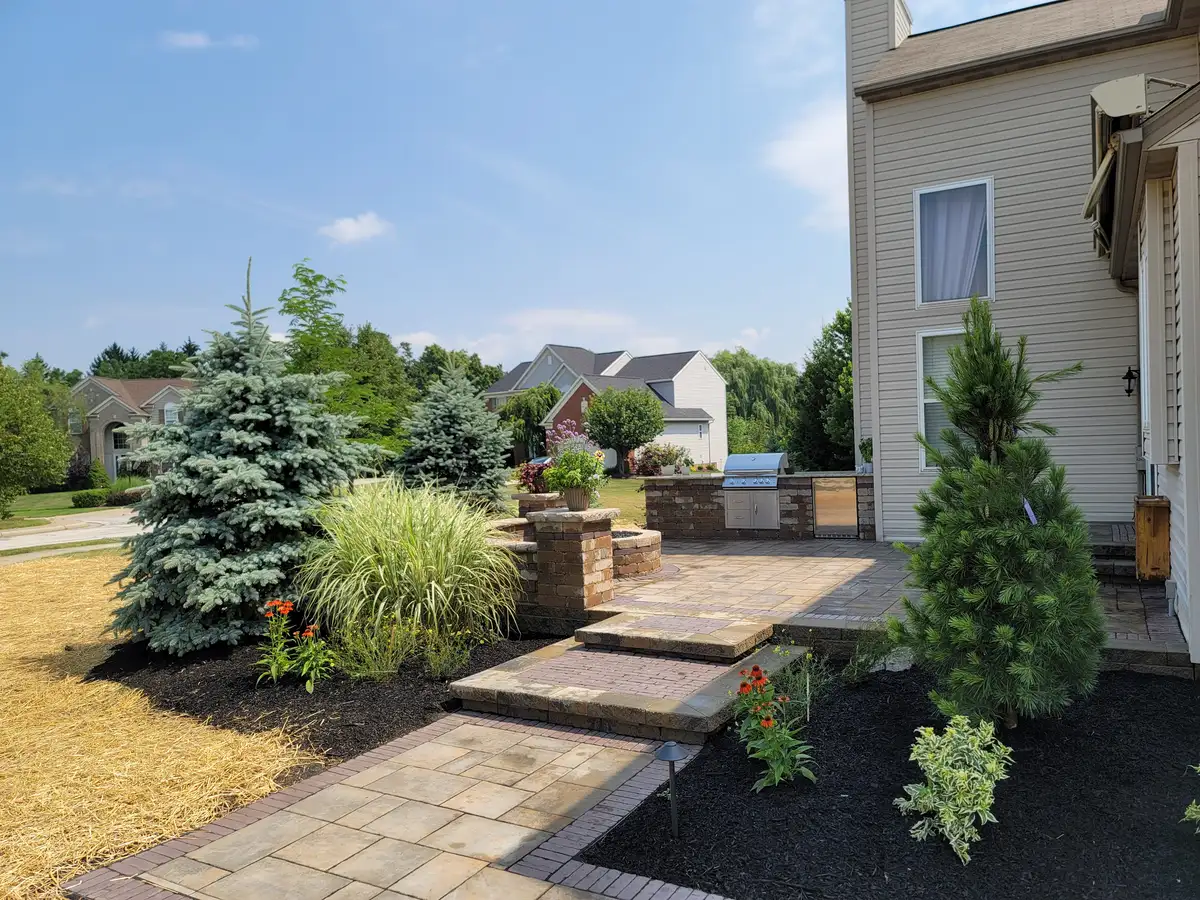
Also ask whether the plan covers one area or considers the surrounding property. A new patio installation can affect walkways, steps, planting edges, furniture clearance, drainage, and equipment access. A retaining wall can establish elevations that influence nearby spaces. The proposal should make the boundaries of the design clear.
4. Can the project be phased without redoing completed work?
Phasing can spread decisions and installation over time, but the final direction should be considered early. Ask which underground, structural, or grading work must happen first and how later crews will reach the work area. Irrigation sleeves, electrical paths, drainage, base preparation, and major elevations are difficult to add after finished paving and planting are in place.
Each phase should leave the property usable while protecting the intended next step. If irrigation is part of the long-term plan, review how the irrigation system will relate to plant zones, turf areas, hardscape edges, and future additions.
5. How should I compare landscape design proposals?
Compare the scope behind the price. Look for clear descriptions of site preparation, materials or allowances, grading and drainage responsibilities, installation, restoration, cleanup, and exclusions. Ask how changes are approved and what happens if concealed or unexpected site conditions affect the work.
Two totals may represent very different projects. One may include base preparation, edge work, plant sizes, soil amendments, or lawn restoration that another leaves open. Written detail gives you a more reliable comparison than a single number or a list of products.
6. What will the landscape require as it matures?
Ask how plant size at maturity will affect windows, walks, sight lines, walls, and neighboring plants. Discuss watering, pruning, mulching, mowing, seasonal cleanup, and winter conditions. Snow storage and deicing salt can influence the placement of sensitive plants near drives and walks.
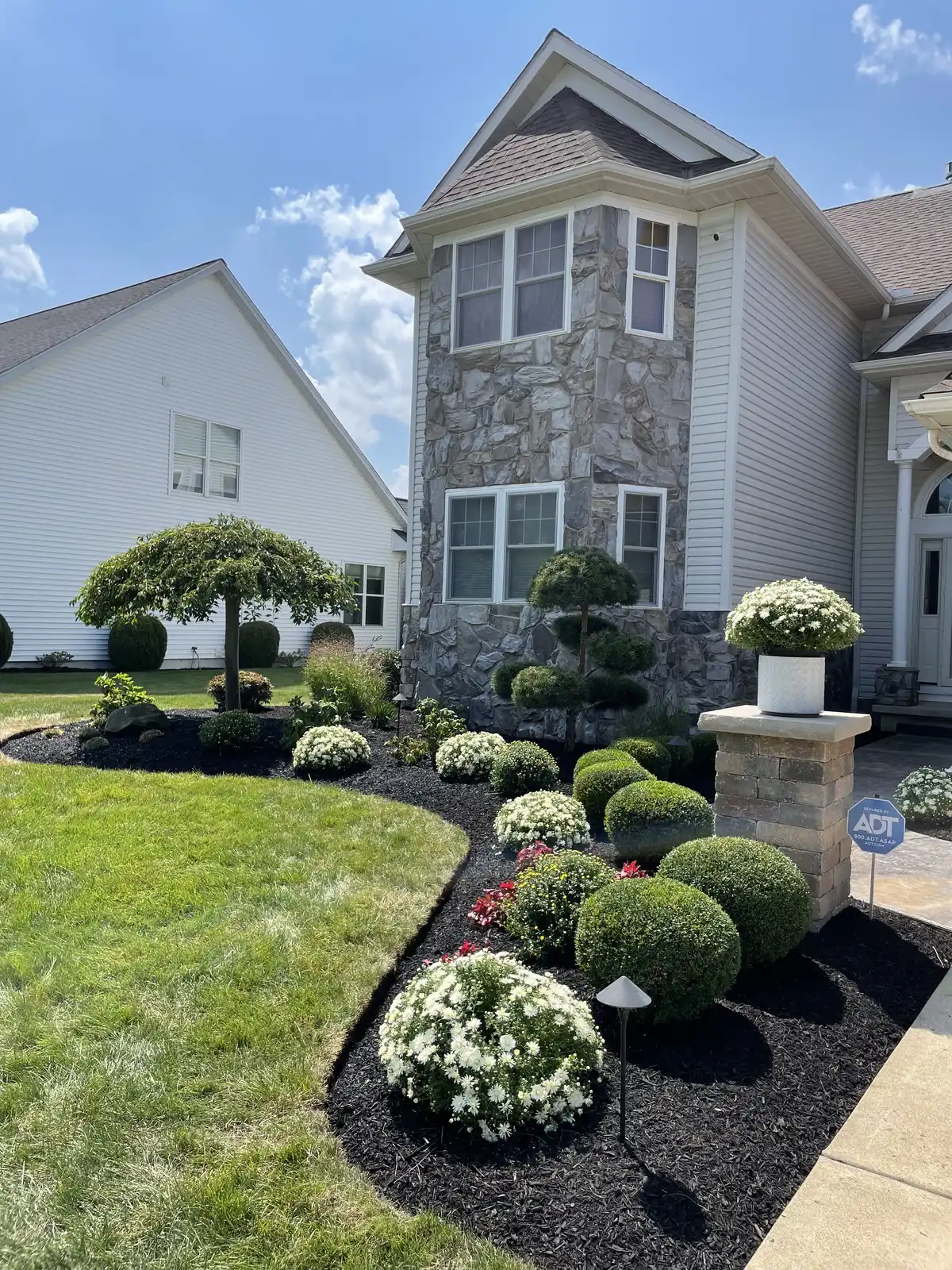
Be honest about the upkeep you want to perform. A lower-maintenance plan still needs care, but the design can make that care more realistic by matching plants to site conditions, keeping bed edges practical, and coordinating lawn care access with the layout.
7. What should I share before requesting an estimate?
Explain who uses the space, the problems you want fixed, the features that must stay, and the improvements you consider essential. Share your preferred timing, budget priorities, phasing flexibility, and maintenance expectations. Photos of wet areas, narrow access points, utility locations, or existing damage can make the first conversation more specific.
Homeowners exploring landscaping in North Royalton should also mention planned changes to decks, fences, additions, driveways, or pools. Those projects can change access, elevations, circulation, and the order in which landscape work should happen.
Questions to Have Ready
- Which property problem needs to be solved first?
- What must remain, and what can change?
- How will drainage, grade, utilities, roots, and access affect the plan?
- What does the design and installation proposal include or exclude?
- Can future phases be completed without disturbing finished work?
- How much ongoing watering, pruning, mowing, and seasonal care fits your routine?
The right questions make it easier to judge whether a design responds to the entire site and whether the proposal matches your priorities. When you are ready to discuss your property, contact A.J. Kraig Landscape and Design or call (216) 287-2844.
FAQ: Booking Landscape Design in North Royalton
What should I discuss at a landscape design consultation?
Discuss how you use the property, the problems you want to solve, features that must remain, preferred timing, budget priorities, and the amount of maintenance you want. Also point out drainage, shade, slopes, utilities, pets, and access limitations.
Do I need a property survey before landscape design begins?
Not every project starts with a new survey, but boundaries, easements, setbacks, elevations, or permit requirements may need to be verified when they affect the work. Ask what information is needed for your specific scope before installation.
Can a landscape design be installed in phases?
Yes. Phasing works best when drainage, grading, elevations, underground work, access, and the final layout are considered together. That reduces the risk of disturbing completed work during a later phase.
How should I compare landscape design proposals?
Compare the same scope across each proposal, including site preparation, materials or allowances, drainage and grading responsibilities, installation, restoration, cleanup, exclusions, and how changes are handled. A total price is difficult to evaluate when the underlying scopes differ.
How do I choose a local landscape design company?
Look for a clear process, a proposal you can understand, responsive communication, and attention to the conditions of your property. Ask how the design accounts for local weather, drainage, plant maturity, maintenance, installation sequence, and future phases.