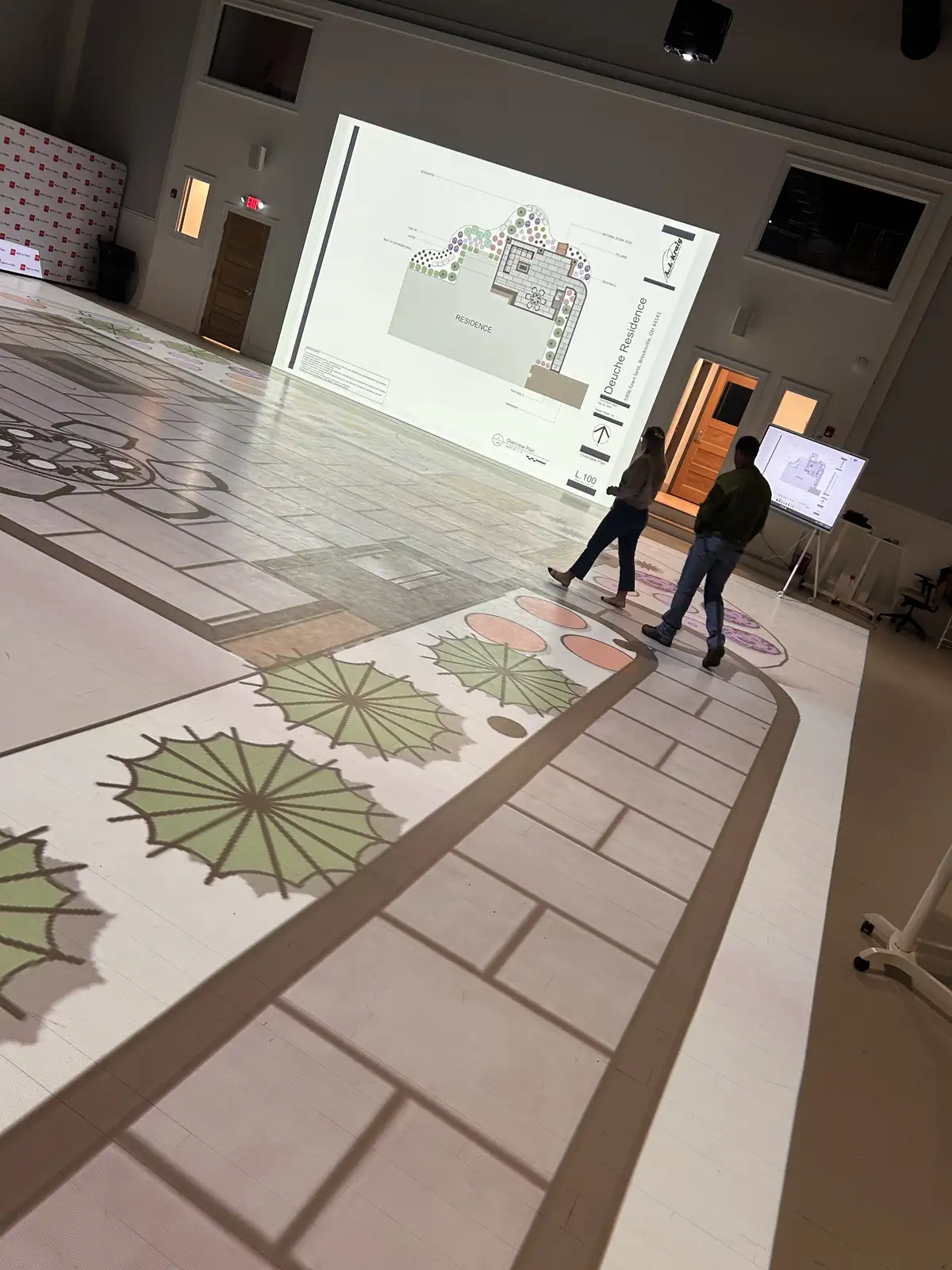
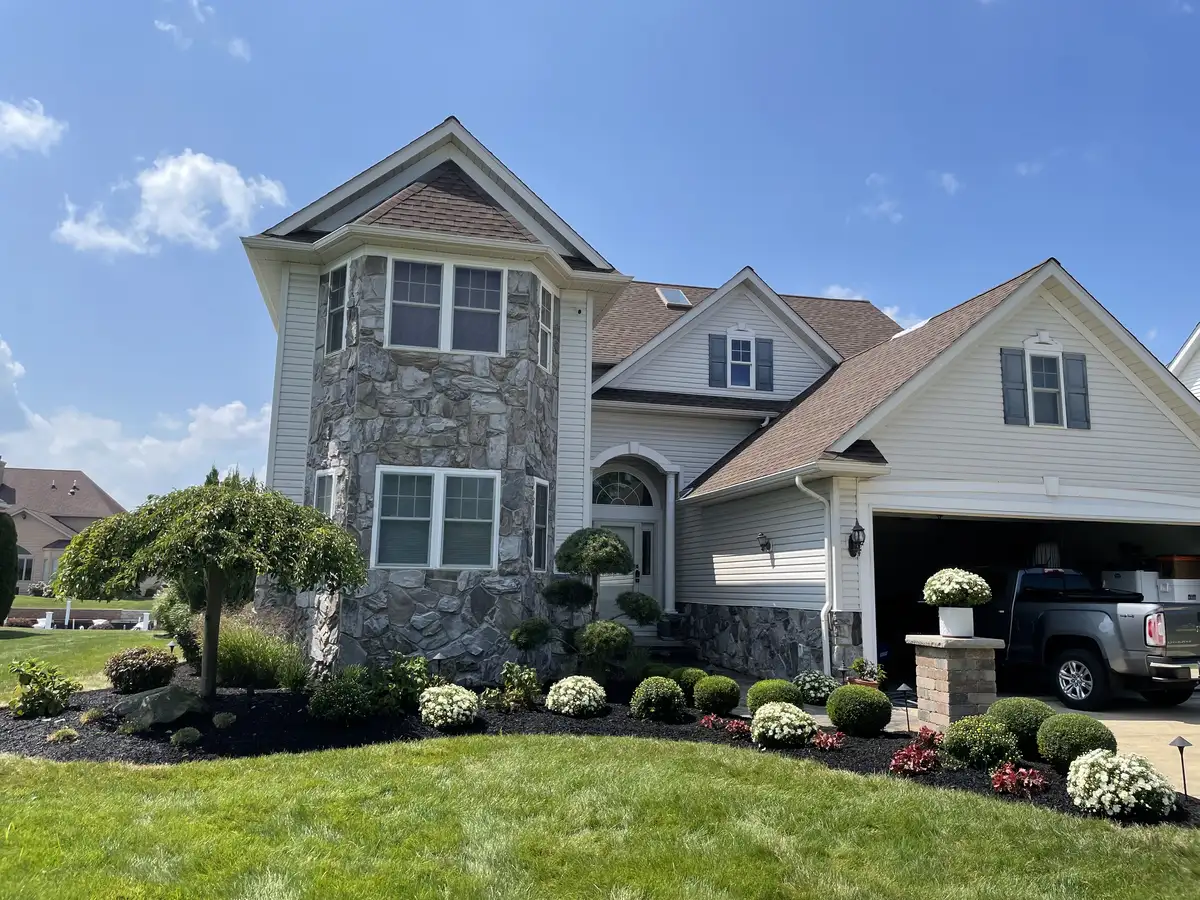
Compare the Plan, Not Just the Finished Look
- By A.J. Kraig Landscape and Design
A productive landscape design conversation should connect what you want with what the property can support. Inspiration photos can establish a style, but they do not show how a North Royalton yard drains, where grades change, how equipment reaches the work area, or how much maintenance fits your routine.
Before you book, use these questions to understand the proposed design and the decisions behind it. A.J. Kraig Landscape and Design offers landscape design in Northeast Ohio that can coordinate planting, hardscaping, drainage, irrigation, turf, and outdoor living features around the property as a whole.
1. What exactly will I receive from the design process?
Ask for the deliverables in plain language. Depending on the project, the scope might address layout, material direction, plant selections, grading or drainage coordination, irrigation, lighting, construction details, or revisions. Confirm which parts of the property are included and which decisions will be made later.
This question matters because “landscape design” can mean anything from an early concept to a construction-ready plan. A written scope gives you a fair way to compare proposals and helps prevent assumptions on both sides.
2. How will drainage, grade, and access shape the plan?
Point out where water collects, where downspouts discharge, which slopes are difficult to use, and where snow or ice causes a recurring problem. North Royalton maintains a municipal Stormwater Division; at the property level, runoff and grading still need careful site-specific review before patios, walls, beds, or turf are placed.
Access is part of the design too. Narrow gates, mature trees, utilities, septic components, neighboring property, and finished surfaces can affect equipment movement and installation sequence. Ask which constraints have been considered rather than treating them as construction-day details.
3. Is the price tied to a clear scope?
An hourly rate or total price alone does not reveal what you are buying. Ask what the estimate includes for preparation, demolition, base work, materials or allowances, planting sizes, drainage responsibilities, installation, cleanup, lawn restoration, and revisions. Clarify exclusions and how changes are approved.
Site access, soil conditions, grade changes, material selections, plant sizes, and the complexity of connected features can all affect cost. A defined scope is more useful than an isolated number because it shows why proposals may differ.
4. Are the “rules” of landscape design being applied to my property?
Homeowners often hear about the rule of three or lists of design principles such as unity, balance, proportion, rhythm, contrast, and transition. These are helpful ways to organize a composition. Repeating three compatible plants, for example, can create a calmer visual rhythm than scattering unrelated specimens.
But a design guideline is not a site plan. Mature plant size, sunlight, soil moisture, circulation, drainage, visibility, and maintenance must still drive the choices. Ask why a layout works for your specific home and daily use—not only whether it follows a visual formula.
5. What will the landscape require as it grows?
A newly installed landscape is only the starting point. Ask how wide and tall plants are expected to become, how their sun and moisture needs fit the selected location, and what pruning, watering, mulching, dividing, or seasonal cleanup will be needed. Spacing that looks open on installation day may be intentional.
Describe your real maintenance tolerance before selections are finalized. “Low maintenance” still involves care. The goal is to choose a manageable level of upkeep and preserve practical access for ongoing lawn and landscape care.
6. Can the project be phased without creating rework?
Phasing can make a larger plan easier to schedule or budget, provided the future layout is considered from the beginning. Ask whether final elevations, drainage, sleeves, utilities, irrigation, lighting, equipment routes, and future structures need to be addressed before the first phase is installed.
For example, a future patio or outdoor living area may influence today’s walkway, planting edge, access path, or underground preparation. Good phasing protects finished work from avoidable removal later.
7. What should I prepare before the first meeting?
Bring a short list divided into must-haves, preferences, and future ideas. Note features that must remain, known utilities, pet or child needs, accessibility concerns, maintenance expectations, timing, and a realistic investment range. Photos of standing water, deep shade, winter snow storage, or other seasonal conditions can fill in what is not visible during the visit.
Also explain how the property should feel and function: a clearer front entry, a quieter garden, a durable play area, a better entertaining space, or easier upkeep. Homeowners can review the broader options available on the North Royalton landscaping page before starting that conversation.
A Useful Proposal Should Make These Points Clear
- The areas being designed and the deliverables you will receive.
- The site conditions that influence layout, preparation, and installation.
- The materials, plant sizes, allowances, and responsibilities included in pricing.
- The expected maintenance and how the landscape changes as plants mature.
- The order of work if the property will be improved in phases.
Ready to discuss your priorities? Contact A.J. Kraig Landscape and Design for an estimate or call (216) 287-2844. Share what needs to change, the conditions you have noticed, and how you want to use the property.
FAQ: Landscape Design Questions Before Booking
What does landscape design include?
The deliverables vary by project. Before booking, ask whether the scope includes a concept plan, hardscape layout, planting direction, material selections, drainage or grading coordination, irrigation or lighting coordination, installation details, and revisions.
Is an hourly rate enough to compare landscape design proposals?
No. An hourly rate does not show how many hours are expected or which deliverables, site work, materials, installation tasks, and revisions are included. Compare written scope and exclusions alongside price.
What are common landscape design mistakes for homeowners?
Common mistakes include selecting features before evaluating drainage and grade, overlooking plant size at maturity, treating connected areas as separate projects, and choosing a maintenance level that does not fit the household.
What is the rule of three in landscaping?
The rule of three is a visual guideline that groups or repeats elements to create rhythm and cohesion. It can help organize a planting composition, but it does not replace decisions about mature size, sunlight, drainage, circulation, or maintenance.
What should I bring to a landscape design consultation?
Bring a prioritized wish list, a realistic investment range, photos of seasonal trouble spots, known utility or access constraints, must-keep features, and notes about how the household uses the property.