
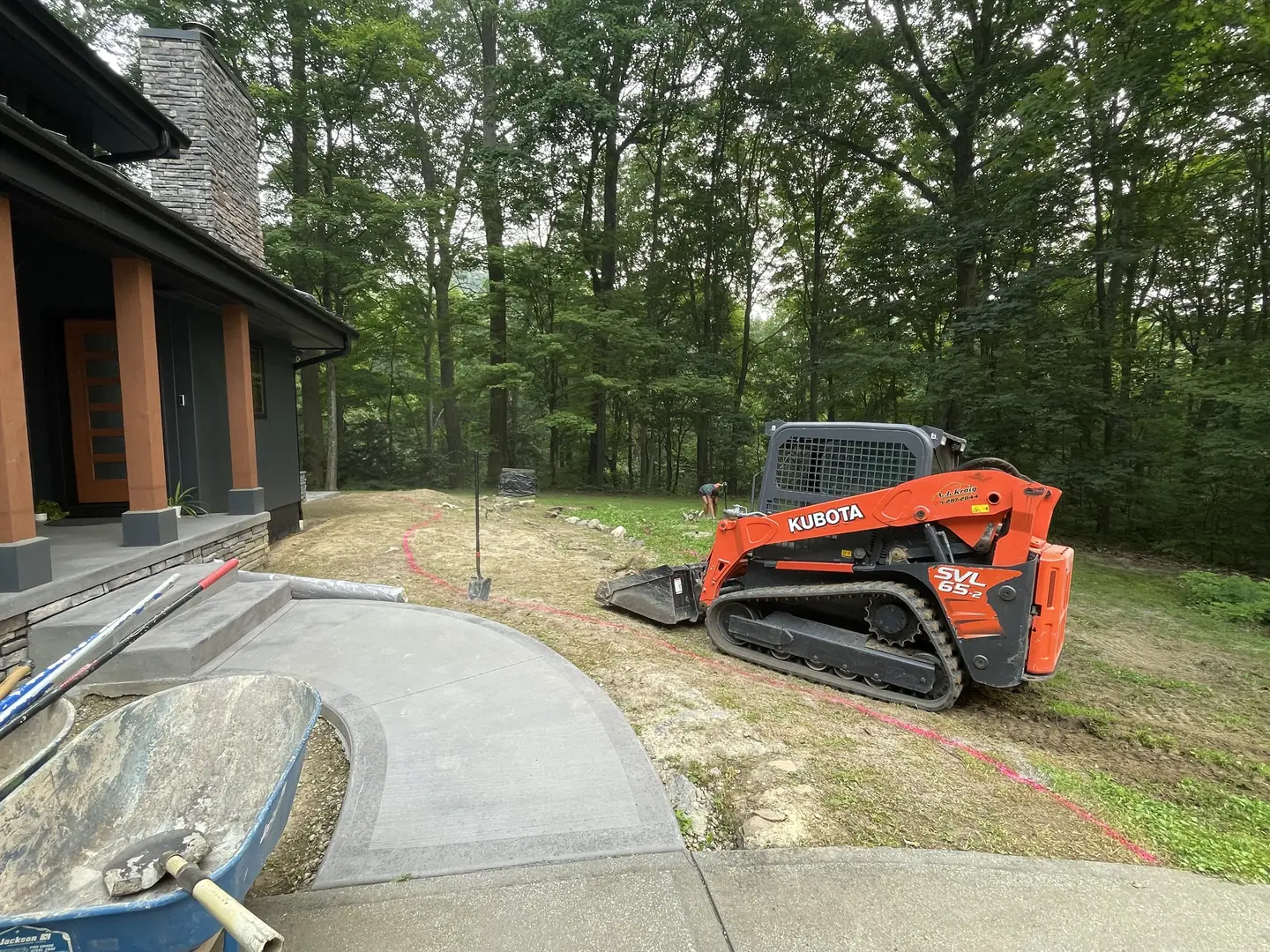
A Landscape Contractor for Planning, Buildout, and Long-Term Use
A.J. Kraig acts as a practical landscape contractor for projects where grading, planting, hardscape, irrigation, and maintenance decisions need to line up.
Outdoor projects need more than separate crews
A landscape contractor has to see how the pieces of the property connect. A patio affects drainage. A retaining wall changes bed elevations. Irrigation needs to match new plantings. Turf repair may depend on construction access. A.J. Kraig manages those relationships so the finished project feels intentional rather than assembled in disconnected steps.
Homeowners and property managers call us when a landscape needs planning, construction judgment, and reliable execution. We help define the scope, sequence the work, coordinate materials, and solve site constraints before they become expensive rework. That contractor role is especially important on Northeast Ohio properties with clay soils, slopes, mature trees, and freeze-thaw movement.
The result is a project that is easier to build and easier to maintain. We are comfortable discussing budget, phasing, access, drainage, plant maturity, and long-term upkeep because those decisions determine whether the landscape still works years after installation.
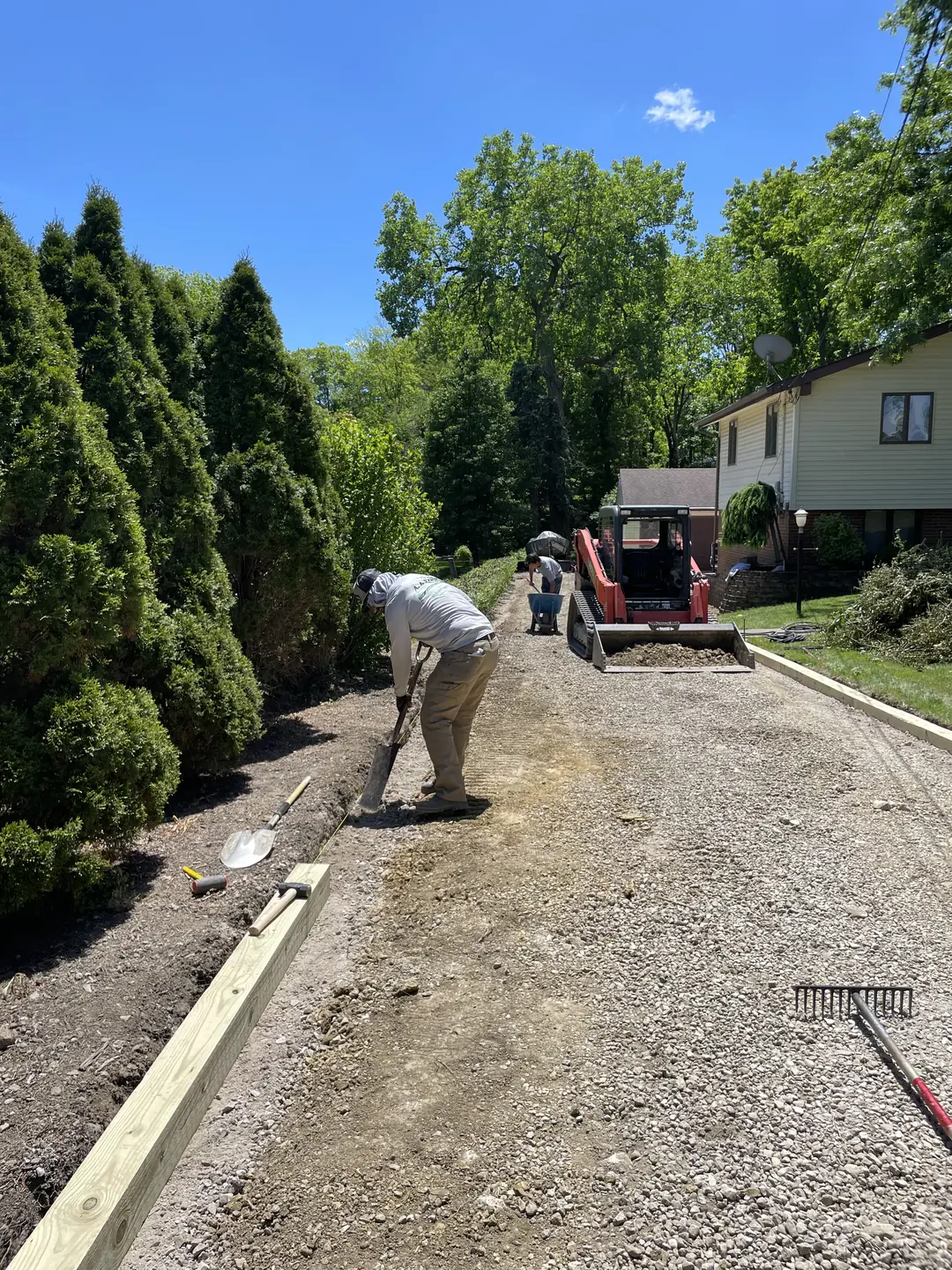
Contractor issues that shape the project
The best landscape contractor is paying attention to the hidden conditions as much as the visible finish.
Grade and drainage
Water movement around patios, beds, walls, downspouts, and turf areas has to be addressed before finishes go in.
Material transitions
Pavers, stone, mulch, turf, plantings, and edging should meet cleanly without awkward gaps or trip points.
Construction access
Equipment routes, staging areas, and protection for existing surfaces are planned before crews arrive.
Where contractor oversight adds value
Contractor oversight is useful whenever a project involves more than a simple maintenance visit. We evaluate how the proposed work affects the rest of the property and whether there are prerequisites that should be handled first. That may include drainage corrections, base preparation, soil improvements, irrigation adjustments, or removing overgrown material before new installation.
A.J. Kraig can also phase work logically. For example, hardscape and grading may come before final plantings; irrigation may need to be adjusted after bed lines change; lawn repair may wait until heavy equipment is finished. Sequencing the work correctly protects the client's investment.
- Landscape installation - Planting beds, trees, shrubs, perennials, mulch, edging, and finish grading.
- Hardscape coordination - Patios, walkways, walls, fire features, and outdoor living areas connected to the surrounding landscape.
- Drainage awareness - Downspout flow, slope, pooling, and runoff considered before final layout decisions.
- Irrigation fit - Spray zones and watering needs coordinated with new beds or turf areas.
- Property protection - Access routes and staging planned to reduce lawn damage and cleanup issues.
- Phased improvements - Projects organized into sensible steps when budget or timing requires multiple seasons.
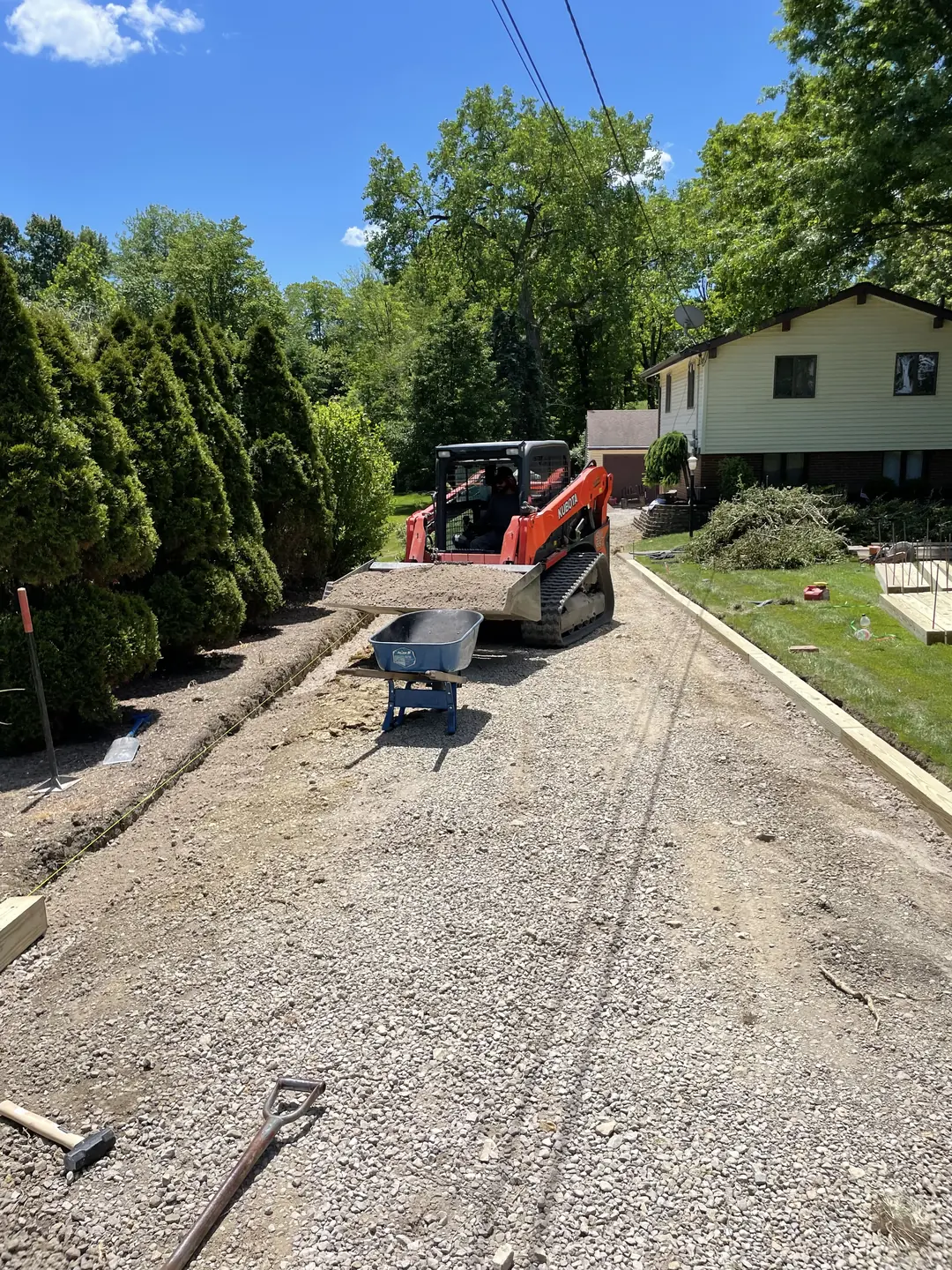
Contractor Planning for Connected Outdoor Work
Landscape contractor work is most valuable when grading, planting, patios, walls, irrigation, turf repair, and related trades need to happen in the right order. A.J. Kraig looks at the full sequence so one phase does not damage or limit another phase later.
Installation should not begin until water movement, access, demolition, base preparation, utilities, mature plant size, soil quality, and recovery areas are understood. Those decisions shape the crew plan, material timing, staging space, and the way the site will look after construction is complete.
Before crews arrive, the plan should confirm layout, elevations, staging, material choices, and which areas need protection. Weather, clay soil, shade, and grade changes across Northeast Ohio can affect the order of work, especially on projects with hardscape and planting happening close together.
Hardscaping, planting, irrigation, lawn restoration, lighting, synthetic turf, and drainage improvements all benefit from contractor-level coordination. Clear sequencing keeps the finished property cleaner and reduces the chance that completed work has to be disturbed again.
Landscape Contractor FAQ
You need a contractor when the project involves installation, grading, drainage, hardscape integration, irrigation changes, or multiple phases that have to be sequenced correctly.
Yes. Coordinating those items is one of the main reasons to use a landscape contractor. It helps avoid drainage problems, mismatched elevations, and plantings that do not fit the finished hardscape.
We help with practical design decisions including layout, material fit, plant selection, bed shape, and phasing. Larger design-heavy projects can be scoped with more detailed planning as needed.
Yes. If a later phase depends on grading, construction access, or another prerequisite, we will explain the sequence so money is not wasted on premature work.
Plan the project in the right order
Ask A.J. Kraig to review the site conditions, sequence, and scope before your outdoor project starts.